Quick Cooking Noodles vs Pasta: Why We Think Noodles Win (Mostly)

Let’s be upfront: we make noodles, so we are not neutral. We also love pasta. Nobody at Fushou Food will say no to a good plate of cacio e pepe. But when someone asks “noodles or pasta?”, we have an answer, and we’re prepared to defend it in five rounds.
Grab a fork. Or chopsticks. That’s actually round five.
Round 1: Who got there first?
Pasta has a long and proud history. In 1154, the geographer al-Idrisi, writing for the Norman king of Sicily, described a place near Trabia where people made huge quantities of itriyya, long strands of dried dough, for export. That’s almost 900 years ago. Impressive.
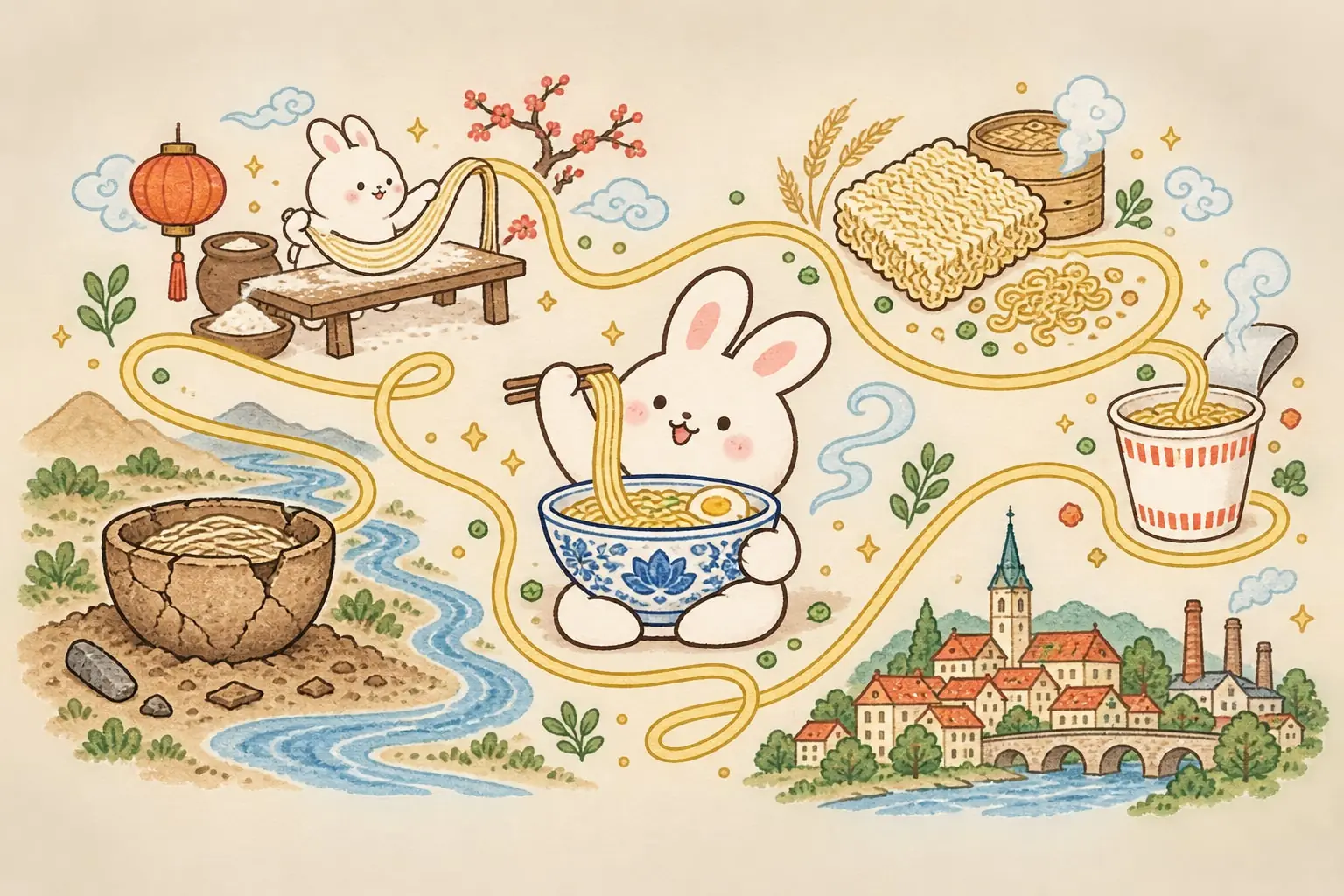
Now for the noodles. In 2005, scientists working at Lajia on the upper Yellow River in China found an upturned bowl of thin, yellow noodles around 4,000 years old, published in Nature. The researchers said they looked like la-mian, hand-pulled noodles that are still made today.
So by the time itriyya showed up in Sicily, noodles had been around for close to three thousand years.
Point: noodles. (Pasta fans may point out that “first” is not the same as “best”. Fair. We’ll take the point anyway.)
Intermission: the Marco Polo myth
You may have heard that Marco Polo brought noodles back from China and that’s how Italy got pasta. It’s a great story. It’s also, according to many historians, a myth.
The version most people know traces back to the American pasta industry. In 1929, a US trade association of macaroni makers published a fanciful story in which a sailor on Marco Polo’s ship, conveniently named “Spaghetti”, sees people in China making strands of dough. The tale grew legs and ended up in the 1938 Hollywood film The Adventures of Marco Polo. Food writer Jen Lin-Liu, who travelled the Silk Road researching noodles, told NPR the 1929 story had Marco Polo arriving somewhere that “seemed more South Pacific than Chinese”.
Meanwhile, Sicily was already exporting pasta before Marco Polo was born. So: pasta did not come from Chinese noodles via Marco Polo. Both are just very old, very good ideas that people had with flour and water. We like that version better anyway.
Round 2: Time to the table
Dried spaghetti usually takes about 8 to 12 minutes once the water is back at a boil. Some shapes take longer.
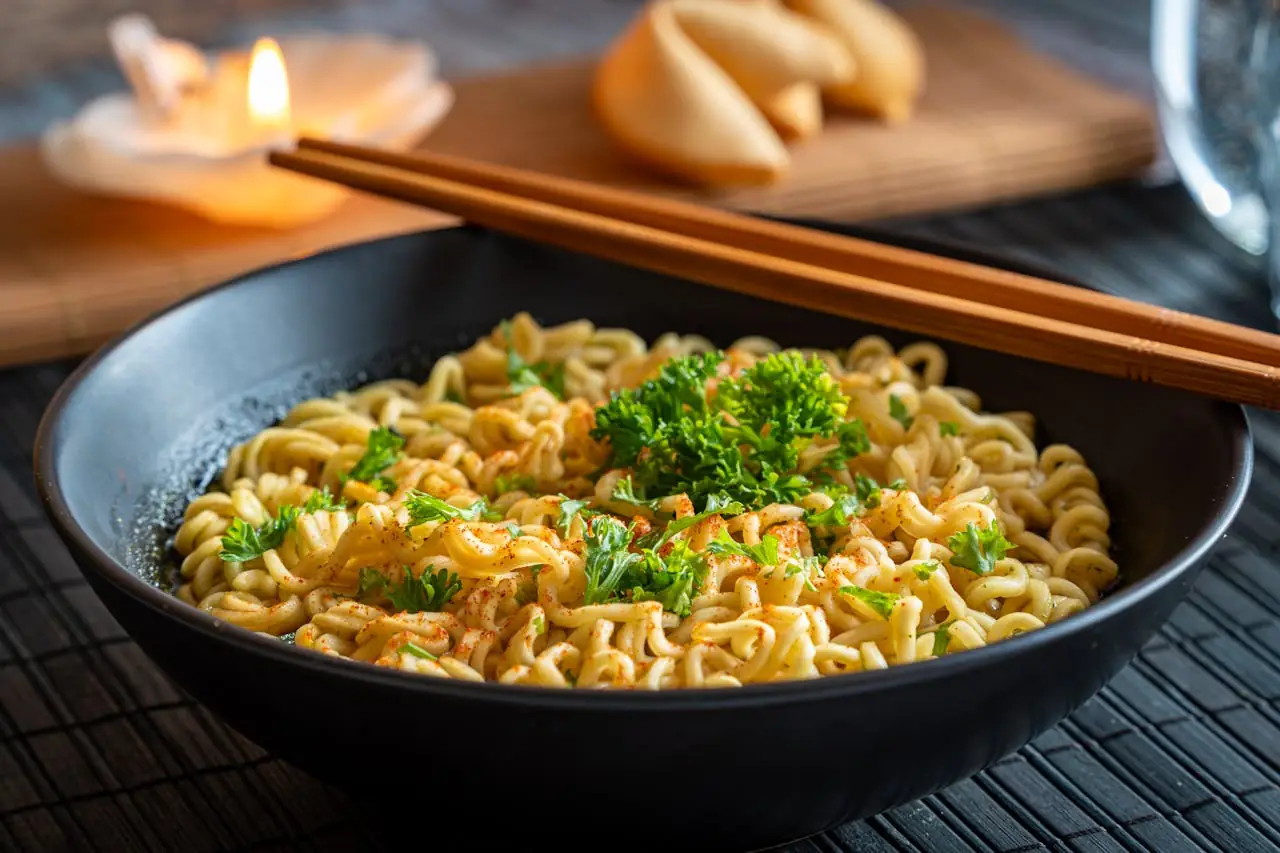
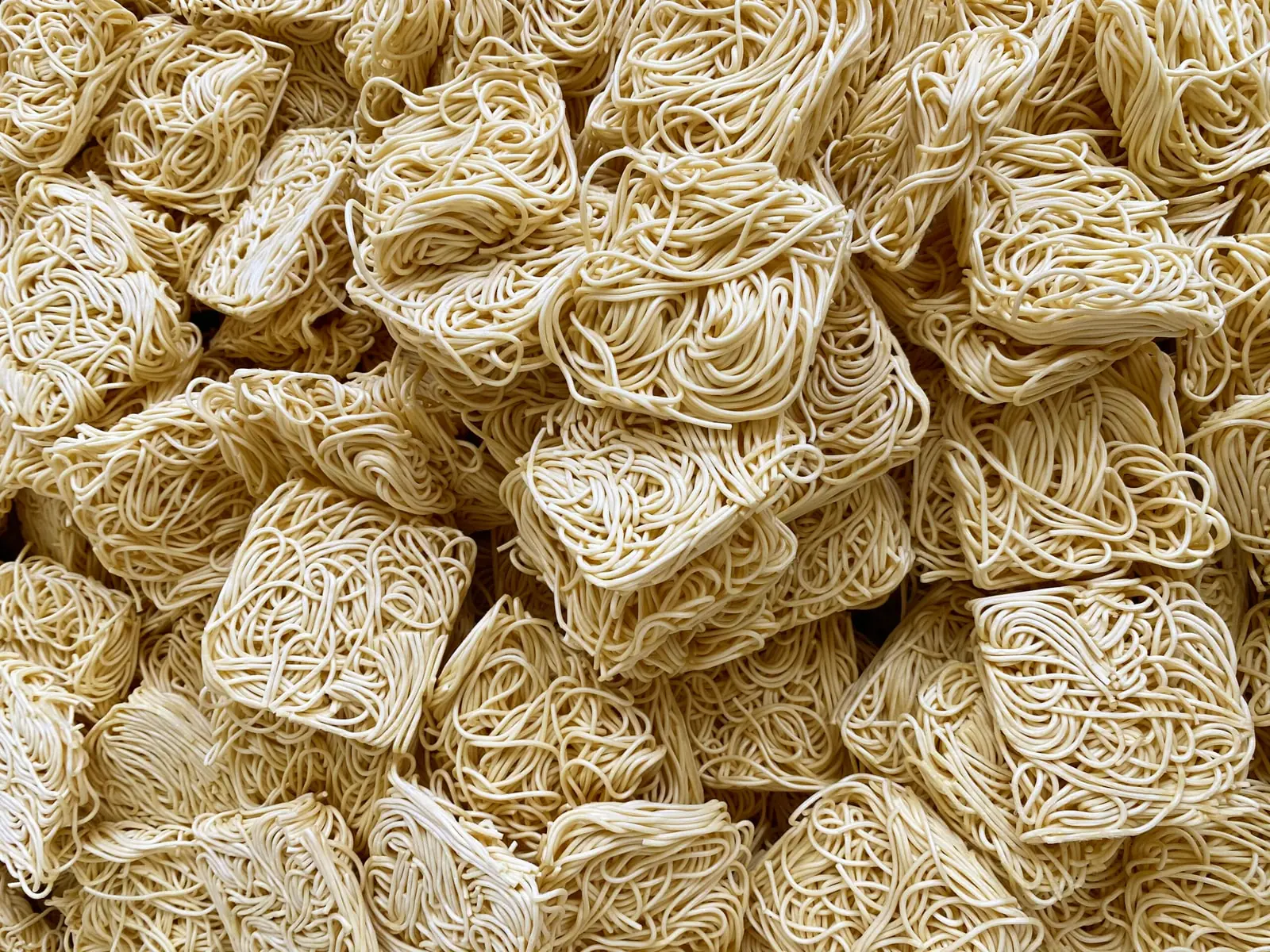
Our pre-cooked ramen-style noodles are labelled 3–4 minutes. That’s because they were already steamed at the factory; you are finishing them, not cooking them from raw. For a stir-fry, a short blanch is enough before they go into the wok.
In a home kitchen, that’s the difference between “dinner while the kettle boils” and “dinner while you set the table”. In a restaurant at lunchtime, it’s the difference between happy guests and a queue.
To be fair to pasta: fresh pasta is quick too. But fresh pasta lives in the fridge. Our noodles live in the cupboard.
Point: noodles.
Round 3: Sauce grip
Pasta has an excellent reputation here, and it deserves it: Italian cooks have spent centuries matching shapes to sauces, and finishing pasta in the pan with the sauce is a technique worth stealing.
Noodles have their own tricks. Many Asian wheat noodles are alkaline noodles: a little alkaline salt in the dough makes them more elastic and slightly slippery, with that springy bite you know from ramen. Then there’s shape. Our products include wavy MIE noodles, made to hold sauce; wide FLAT noodles, whose broad surface catches bold sauces; and PLANED noodles with irregular edges in the style of Shanxi knife-cut noodles. Rough edges plus sauce is a very good combination.
We’ll call this one a draw. Pasta earned its respect here; noodles just showed up with different weapons.
Point: draw.
Round 4: Versatility
What can pasta do? Hot with sauce, baked, in soup, in a cold pasta salad. A solid résumé.
What can noodles do? Stir-fried in a smoking wok. Swimming in broth. Cold, with a sesame dressing. Chilled with toppings arranged in neat rows, like Japanese hiyashi chūka. Crispy pan-fried as a cake with vegetables on top. Tossed with chilli oil. Served at birthdays as longevity noodles, where tradition says you should not cut the strands.
That last one is a bit of a mic drop. Spaghetti may be long, but nobody has made it a symbol of a long life.
Point: noodles.
Round 5: How you eat it
Pasta: a fork, possibly a spoon, and a lifelong debate about whether you’re allowed to cut spaghetti. (In Italy, we are told: absolutely not.)
Noodles: chopsticks, a spoon for the broth, a fork if you prefer. In many noodle shops, slurping is not just allowed, it’s part of the experience. And honestly, it’s fun.
This one is subjective, so we’ll be generous.
Point: whoever is eating.
Final score
Noodles 3, pasta 0, one draw and one round won by the person holding the bowl. We told you we weren’t neutral.
The real conclusion is simpler: there’s room in every kitchen for both. Flour, water and a pot of boiling water have fed people for thousands of years, from a bowl on the Yellow River to a trattoria in Rome to a wok bar in Prague. Pasta is a classic. Quick cooking noodles are the classic that’s ready faster.
Your turn
Are you team noodles or team pasta? Is there a round we got wrong? Tell us on Instagram, and share this with the friend who always orders carbonara.
If you’d like to run your own taste test, our recipes for MIE noodles, Quick Cooking Noodles and ramen noodles are a good place to start. And if you run a restaurant and want to put noodles to the test in service, get in touch.