Two MIE Noodle Recipes for the Wok: Mie Goreng and Yakisoba-Style Stir-Fry

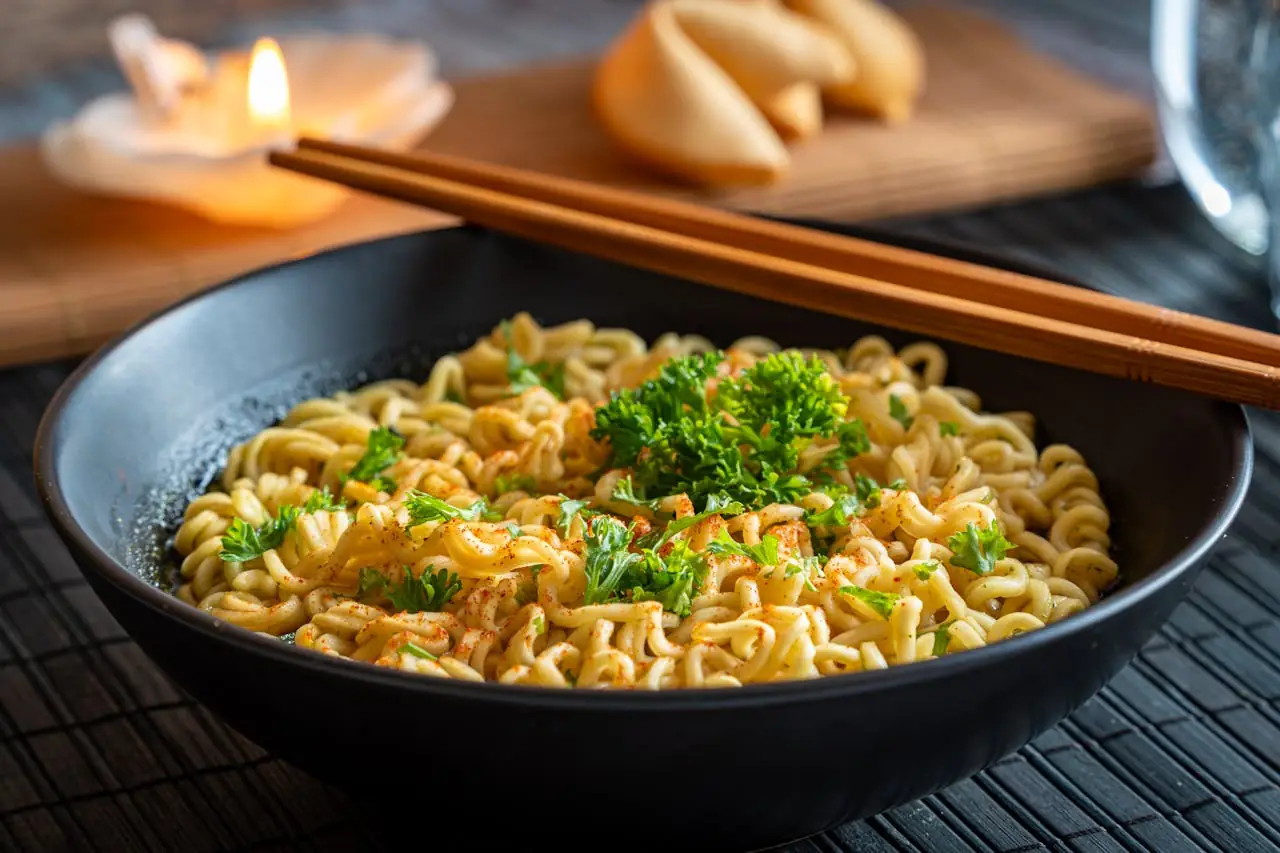
Our MIE noodles are wavy, springy wheat noodles in the South-East Asian style. The waves are not just for looks: they help the noodles hold on to sauce. Because the noodles are already cooked, both dishes below go from cutting board to plate in about 20 minutes.
Before you start: preparing pre-cooked MIE noodles
For stir-fries, cook the noodles a little short so they finish in the pan:
- Bring a large pot of water to a rolling boil.
- Add the noodles and cook for about 1 minute less than the time on the pack. Loosen them with chopsticks as they soften.
- Drain, rinse briefly under cold water to stop the cooking, drain well again.
- Toss with 1 teaspoon of neutral oil per 250 g dry noodles so they don’t stick.
Rule of thumb for portions: 80–100 g dry noodles per main-course portion, more for big eaters.
1. Mie goreng
Mie goreng is the Indonesian stir-fried noodle dish: yellow wheat noodles fried with garlic, shallots, chilli, cabbage and usually chicken or prawns, seasoned with sweet soy sauce. Wavy mie is the natural noodle for it.
Serves 2 · Prep 10 min · Cook 8 min
Ingredients
- 180 g MIE noodles (dry weight)
- 200 g chicken thigh, sliced thin (or 200 g peeled prawns, or firm tofu)
- 2 eggs
- 3 garlic cloves, chopped
- 2 shallots, sliced
- 1 red chilli, sliced (more if you like heat)
- 120 g white or Chinese cabbage, shredded
- 80 g bean sprouts
- 2 spring onions, cut into 3 cm pieces
- 2 tbsp neutral oil
Sauce (mix in a cup):
- 2 tbsp kecap manis (sweet soy sauce)
- 1 tbsp light soy sauce
- 1 tsp oyster sauce
- 1 tsp sambal oelek, or to taste
- 1 tbsp water
To serve: fried shallots, sliced cucumber, lime wedges.
Method
- Prepare the noodles as above and set aside.
- Heat a wok over high heat until it smokes lightly. Add 1 tbsp oil and the chicken. Stir-fry for 2–3 minutes until just cooked. Push to the side.
- Add the remaining oil, then the garlic, shallots and chilli. Stir for 30 seconds until fragrant; don’t let the garlic brown.
- Crack in the eggs and scramble them roughly for about 30 seconds.
- Add the cabbage and stir-fry for 1 minute.
- Add the noodles and the sauce. Toss constantly for 2 minutes, lifting the noodles so the sauce coats every strand and the edges catch a little colour.
- Add bean sprouts and spring onions, toss for 30 seconds, and serve straight away with fried shallots, cucumber and lime.
Tips
- Kecap manis is sweet and burns quickly. Add it with the noodles, not earlier.
- If the pan gets dry, add a splash of water rather than more oil.
- For a vegetarian version, use tofu, replace oyster sauce with mushroom stir-fry sauce, and check that your sambal contains no shrimp paste.
2. Yakisoba-style stir-fry
Yakisoba means “fried soba”, but in Japan it is made with wheat noodles, not buckwheat, and seasoned with a sauce similar to Worcestershire sauce. Our MIE noodles have the right wavy shape for it.
Serves 2 · Prep 10 min · Cook 8 min
Ingredients
- 180 g MIE noodles (dry weight)
- 150 g pork belly or pork shoulder, thinly sliced (or sliced shiitake for a meat-free version)
- 1 small onion, sliced
- 1 carrot, cut into thin sticks
- 150 g white cabbage, cut into bite-sized pieces
- 1 green pepper, sliced
- 1½ tbsp neutral oil
Sauce:
- 3 tbsp Worcestershire sauce
- 1 tbsp oyster sauce
- 1 tbsp ketchup
- 1 tsp soy sauce
- 1 tsp sugar
To serve: pickled ginger, a sprinkle of aonori (seaweed flakes) or sesame seeds, Japanese mayonnaise (optional).
Method
- Prepare the noodles as above. Mix the sauce.
- Heat the wok or a large frying pan over high heat. Add 1 tbsp oil and the pork. Fry for 2 minutes until it renders some fat and browns.
- Add the onion and carrot, fry for 1 minute. Add the cabbage and pepper, fry for 1–2 minutes more. The vegetables should stay crisp.
- Add the remaining oil and the noodles. Spread them out and leave them for 30 seconds without stirring so the bottom crisps slightly, then toss.
- Pour in the sauce and toss for 1–2 minutes until the noodles are evenly brown and glossy.
- Plate and top with pickled ginger and aonori. A thin zigzag of mayonnaise is optional and very good.
Tips
- Japanese bottled yakisoba sauce works too: use about 4 tbsp and skip the mix.
- The short rest in step 4 is what gives yakisoba its slightly crispy bits. Don’t skip it.
For restaurants: batch, hold and serve
Both dishes are built for à la minute wok cooking. A few things make them faster in service:
- Blanch ahead. Cook the noodles 1 minute short before service, cool them quickly in cold water, drain well, oil lightly and keep covered in the fridge. Use them the same day.
- Portion cold. Weigh cooked noodles into portions before service. Noodles gain a lot of weight as they take up water, so weigh your own yield once (dry in, cooked out) and write it on the station card.
- Batch the sauce. Both sauces scale up easily. Mix a litre at a time, keep chilled, and use a ladle or squeeze bottle that delivers one portion.
- Prep the veg mix. For mie goreng, keep cabbage, sprouts and spring onion together in one container per portion size.
- Two portions per wok, not five. Overloading cools the wok and the noodles steam instead of frying.
- Delivery. Pack noodles loosely, not pressed, and put fried shallots and cucumber in a separate pot so they stay crisp.
More from the range
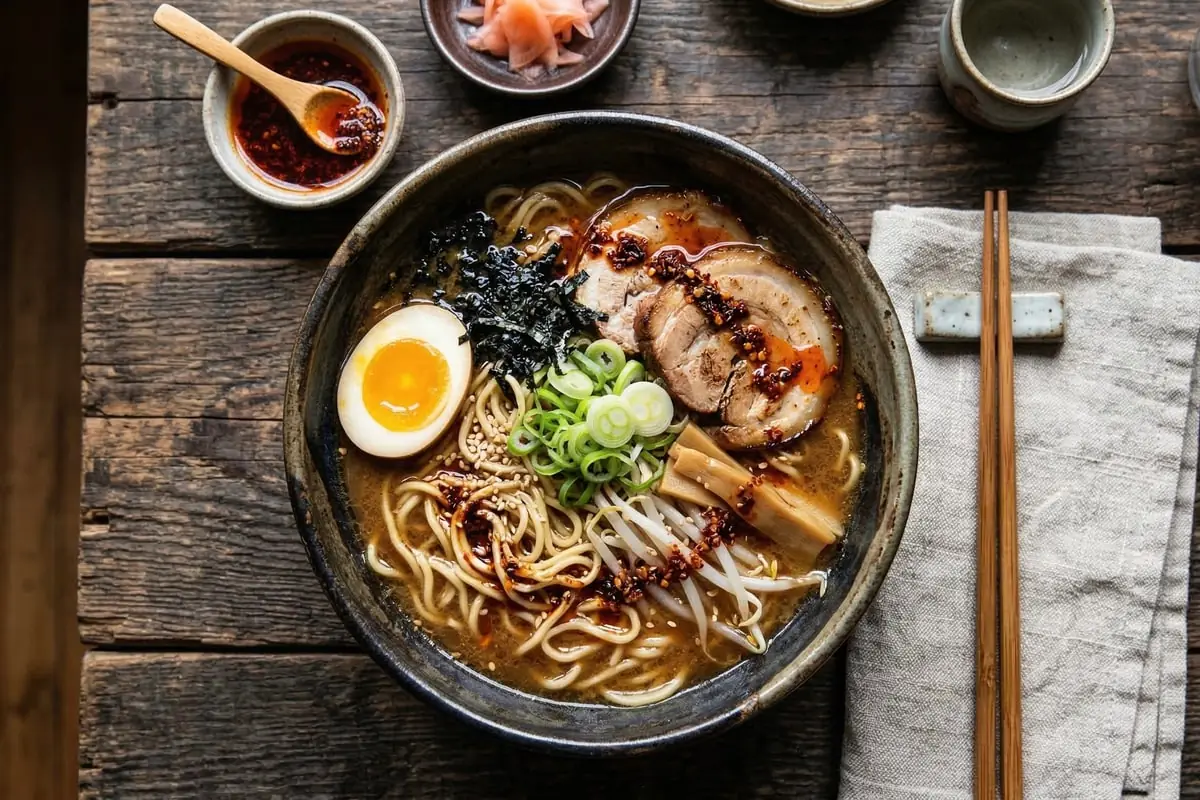
MIE noodles also work in soups: try them in a chicken broth with greens and a soft egg. For a richer, golden noodle, try our Quick Cooking Noodles with Egg, and for a thinner, faster noodle, our Egg Noodles. The whole range is on the products page, and more recipes are in our posts on Quick Cooking Noodles and ramen noodles.
Cooking for a restaurant, canteen or catering business? Ask us about catering packs and samples.